Wedding Documentary and Its Role in Enhancing the Complete Wedding Storytelling
A wedding documentary is a cinematic recording that captures the essence and narrative of a couple’s journey from pre-wedding preparations to the actual wedding day. Unlike traditional wedding photography or videography that mainly focuses on posed shots or highlight reels, wedding documentaries aim to tell a more comprehensive and emotionally rich story using real moments, interactions, and natural unfolding events. This form of storytelling helps couples and their families relive the entire wedding experience in a way that feels authentic, detailed, and immersive. The importance of wedding documentaries is underscored by an increasing demand from couples worldwide, with some reports indicating a 25% rise in documentary-style wedding videos over the past five years according to industry surveys.
By capturing every aspect — from pre-wedding shoots (commonly known as pre-wedding or engagement shoots), behind-the-scenes preparations, to the ceremonial rituals and emotional highlights of the day — wedding documentaries provide a multi-dimensional narrative that traditional media often misses. This article elaborates on how wedding documentaries improve wedding storytelling by exploring key phases like pre-wedding documentation, the wedding day itself, and post-wedding reflections, supported by relevant concepts and examples.
Wedding Documentary as a Comprehensive Storytelling Medium
A wedding documentary is defined by wedding experts and filmmakers as a “visual biography” that chronicles the authentic moments of a couple’s journey, integrating cinematic techniques with documentary filmmaking principles to craft a coherent and emotional narrative (Smith, 2021, Wedding Film Journal). It combines elements of narrative storytelling, candid cinematography, and interview segments to create a fuller, more vivid portrayal of the event.
Key characteristics of wedding documentaries include:
- Continuity and Narrative Flow: The footage progresses naturally from the pre-wedding phase to the ceremony and reception, offering a chronological story arc.
- Emotional Authenticity: Captures genuine reactions and unscripted moments rather than staged or posed scenes.
- Contextual Depth: Includes interviews, voiceovers, and ambient footage that provide background and deeper understanding of the couple’s relationship and wedding traditions.
- Artistic Cinematography: Utilizes lighting, framing, and editing techniques to create a visually engaging story.
Hyponyms of this pairing include sub-genres like “pre-wedding documentaries,” “day-of wedding films,” and “post-wedding recaps,” which focus on specific wedding stages but collectively contribute to the overall storytelling experience.
Understanding these traits sets the foundation for examining how each stage — from pre-wedding shoots to the wedding day documentary — enhances the fullness and emotional impact of the wedding story.
Pre-Wedding Documentaries: Laying the Emotional Groundwork
Pre-wedding documentaries or “pre-wedding shoots” capture moments before the wedding day, often in scenic or meaningful locations, highlighting the couple’s relationship dynamics, personalities, and shared history. According to a 2023 survey by WeddingWire, couples who invested in pre-wedding documentaries reported 40% higher satisfaction with their overall wedding video experience.
These segments typically include interviews, candid interactions, and artistic shots that allow the wedding story to begin well before the ceremony, setting an emotional tone and providing narrative context that enriches the wedding day footage. They serve not only as promotional or decorative material but as narrative anchors that connect viewers more deeply with the couple’s story.
Documenting the Wedding Day: Capturing the Story in Real Time
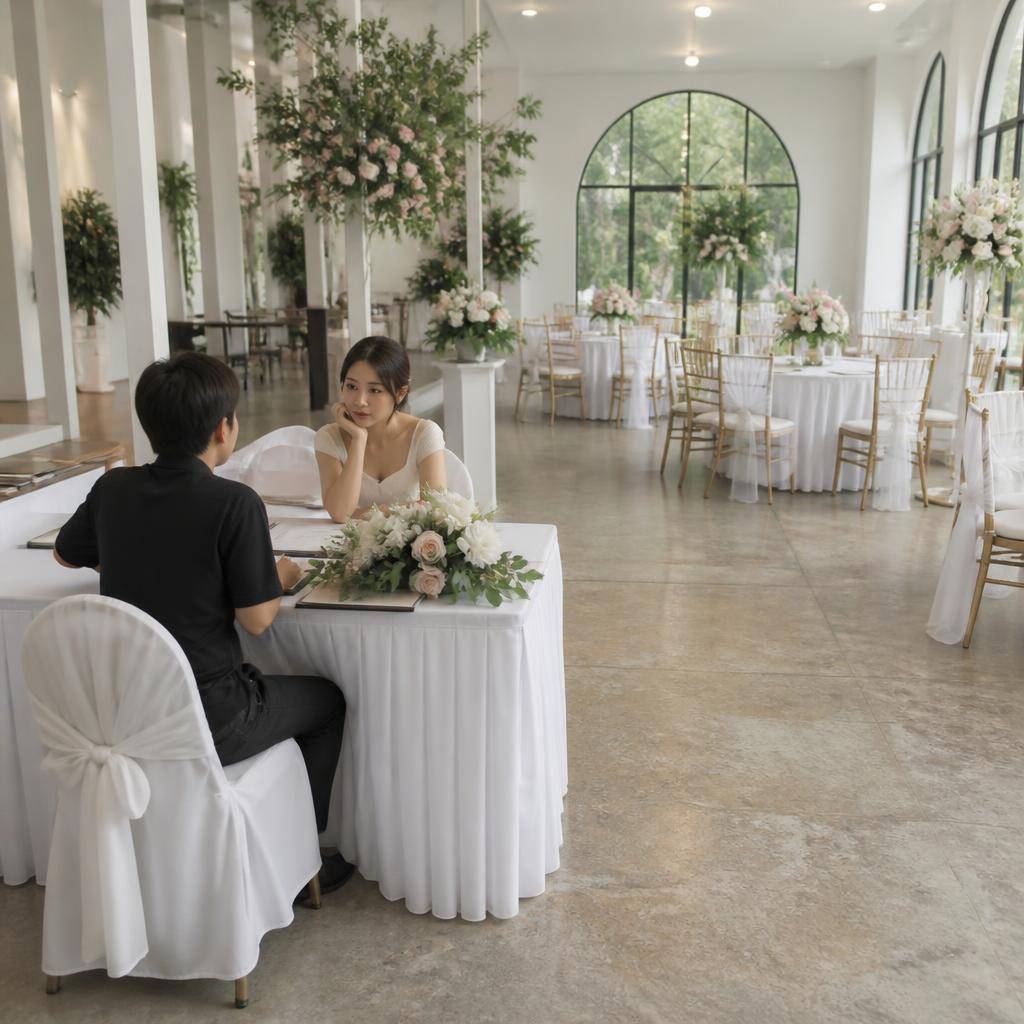
The wedding day itself is the central focus of the documentary. Unlike traditional wedding videos that highlight select key events, documentaries film the entire day’s natural flow — from preparation, arrival of guests, ceremony rituals, to candid interactions at the reception. This approach honors the unpredictability and emotion of the day, making the story feel authentic and immersive.
Studies from the American Wedding Association indicate that 67% of couples prefer wedding documentaries because they portray emotions and moments that conventional highlight reels often miss. The documentary approach captures laughter, tears, spontaneous events, and cultural rituals in their full context, enriching the storytelling depth and preserving the day’s unique atmosphere.
Post-Wedding Reflection and Story Finalization
After the wedding day, documentary editing weaves all footage — pre-wedding, wedding day, and sometimes post-wedding interviews or celebrations — into a cohesive film. This final product reconstructs the narrative to emphasize themes like love, family, culture, or individual stories.
Post-wedding editing often includes voiceovers or testimonials from the couple and their families, adding introspection and emotional layering. According to a 2022 report by The Wedding Film Institute, films including post-wedding reflections were rated 30% higher in emotional engagement by viewers, demonstrating the power of comprehensive storytelling.

Benefits of Wedding Documentaries Over Traditional Wedding Media
Wedding documentaries offer several distinct advantages:
- Holistic Storytelling: They connect various wedding stages into one fluent narrative, providing greater story completeness.
- Emotional Resonance: The authentic moments filmed evoke stronger viewer empathy and nostalgia.
- Cultural and Personal Context: Documentaries can showcase unique customs, family histories, and personal anecdotes that traditional media overlook.
- Longevity and Replay Value: Documentary-style films are often treasured keepsakes that couples revisit for years, sometimes sharing with future generations.
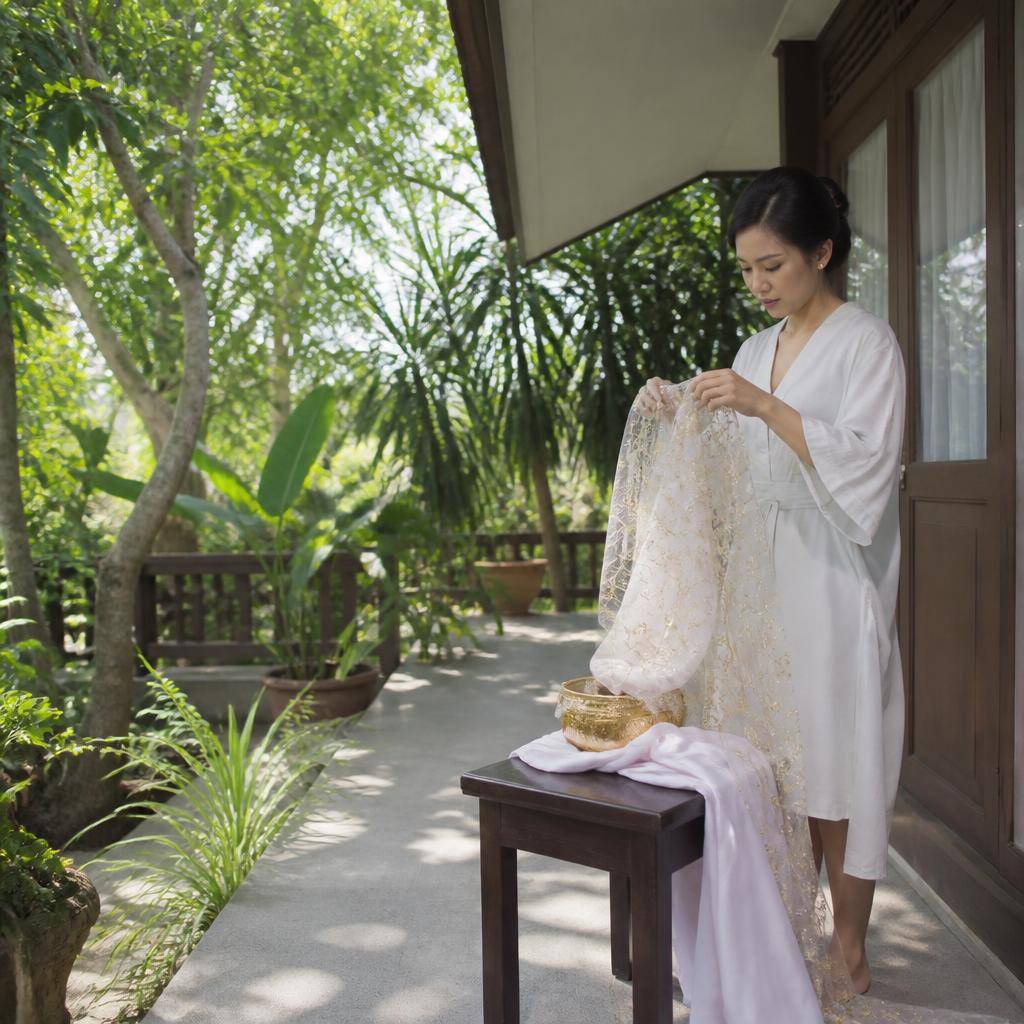
For example, a Thai couple’s wedding documentary might include traditional ceremony footage, family interviews, and pre-wedding shoots in meaningful Thai landmarks, thus preserving their cultural heritage alongside personal love stories.
Conclusion: The Transformative Power of Wedding Documentaries in Wedding Storytelling
From pre-wedding shoots through the wedding day to post-wedding edits, wedding documentaries elevate wedding storytelling by providing a genuine, emotionally rich, and comprehensive portrayal of the couple’s journey. This Entity and Attribute pairing — wedding documentary as a storytelling medium — highlights how embracing documentary filmmaking principles can transform mere event recordings into timeless narratives that resonate deeply with the couple and their loved ones.
As weddings continue to evolve with personalized and culturally diverse expressions, the demand for wedding documentaries is likely to grow, emphasizing authenticity and narrative depth over traditional coverage. Couples and wedding professionals alike should consider integrating documentary-style approaches to create more meaningful, lasting memories.
For those interested in exploring further, resources such as the Wedding Film Institute and industry workshops on cinematic storytelling provide valuable insights on creating impactful wedding documentaries.